Nearly everyone will experience a cold, most often caused by rhinovirus. While there is no cure, there are several ways to manage your symptoms.
Cold plunges and ice baths are everywhere, with many people claiming they boost energy, improve recovery and build resilience.
LLM-crafted prose is “gumming up our systems,” says journal’s editor-in-chief. Find out JAMA’s new policy on AI use—and when it should be avoided entirely.
Learn how new restrictions affect eligibility for Medicaid or CHIP and reduce federal funding for emergency Medicaid.
The goal of the Reimagining Residency grant program is to transform residency training to best address the workplace needs of our current and future health care system.
What are some common interview questions? Does body language during residency interviews matter? The answers can help IMGs make the right impression.
Get tips to distinguish yourself and detail your unique skills and experiences during residency interviews.
How much does it cost? How do medical students get it? Find out the facts, and get expert insight on plan options to meet your needs.
Use this data from Resolve to dig into physician pay contract trends, including the biggest base salary jumps and bonus hotspots.
Federal medical student-loan rules are shifting fast. Learn how resident physicians can avoid costly mistakes.
Stay informed with top advocacy news and essential updates on key national and state issues impacting physicians, patients and the healthcare environment in October 2026.
Cybersecurity starts with you: Recognizing National Cybersecurity Awareness Month and more in the latest National Advocacy Update.
For a limited time this fall, UWorld is offering exclusive product discount codes to members of the AMA. Don’t miss this opportunity to access exclusive savings.
Grow your career and expand your professional networks at the AMA Career Resources event happening during the 2026 Interim Meeting.
Review the list of candidates to serve as AMA officers, on the Board of Trustees and councils.
Download PDFs and access information submitted for consideration at the AMA House of Delegates Interim Meeting.
The Council on Long Range Planning and Development (CLRPD) works on projects based on actions of the AMA House of Delegates or Board of Trustees.
The council investigates general ethical conditions and all matters pertaining to the relations of physicians to one another or to the public, and make recommendations to the House of Delegates or the constituent associations through the issuance of reports.
Learn more about the meetings and events held by the Resident & Fellow Section (RFS) for resident and fellow members.
The Integrated Physician Practice Section offers a number of opportunities to get involved, network and enhance your leadership skills.
Recommendations from the RVS Update Committee’s (RUC’s) Relativity Assessment Workgroup and CMS for new and revised CPT codes.
The USAN Program is seeking a chemical consultant to provide expert review of chemical information in USAN small molecule and biologics submissions. Learn more.
UME Innovations highlights leading edge trends in UME education. Find out more about innovations happening in UME education on the AMA.
Med schools are enhancing students’ experiences by embedding them into patient-centered medical homes and accountable care organizations (ACO)—two models changing health care delivery.
The changing role of the physician in the delivery of health care challenges med schools to develop new ways of looking at the profession and teaching. The physician of the future’s expertise will span a number of different subject areas.
Population health, a new care model, addresses a broad range of factors shown to impact the health outcomes of a group of individuals. A med school in Texas is pioneering a value-based, interprofessional educational approach in its curriculum.
Race is a demographic factor that may influence a patient’s health, but understanding how race influences health is evolving. One medical school is helping future physicians think about race in the exam room.
One medical school is helping students to understand more about their emotions to support well-being. This emotional intelligence allows medical trainees to learn when and how to use inherent skills.
Community health intervention can teach med student a great deal. One of the first things to learn is to listen to the community as you would a patient when planning an intervention.
One med school professor uses comic books to teach students to reflect on the experience of becoming a physician. He explains graphic novels help them concentrate and observe how a doctor interacts with patients.
New models of teaching patient care are changing the way physicians are trained. Programs that embed medical students in urban and rural communities bridge the curriculum gap between med school and practice.
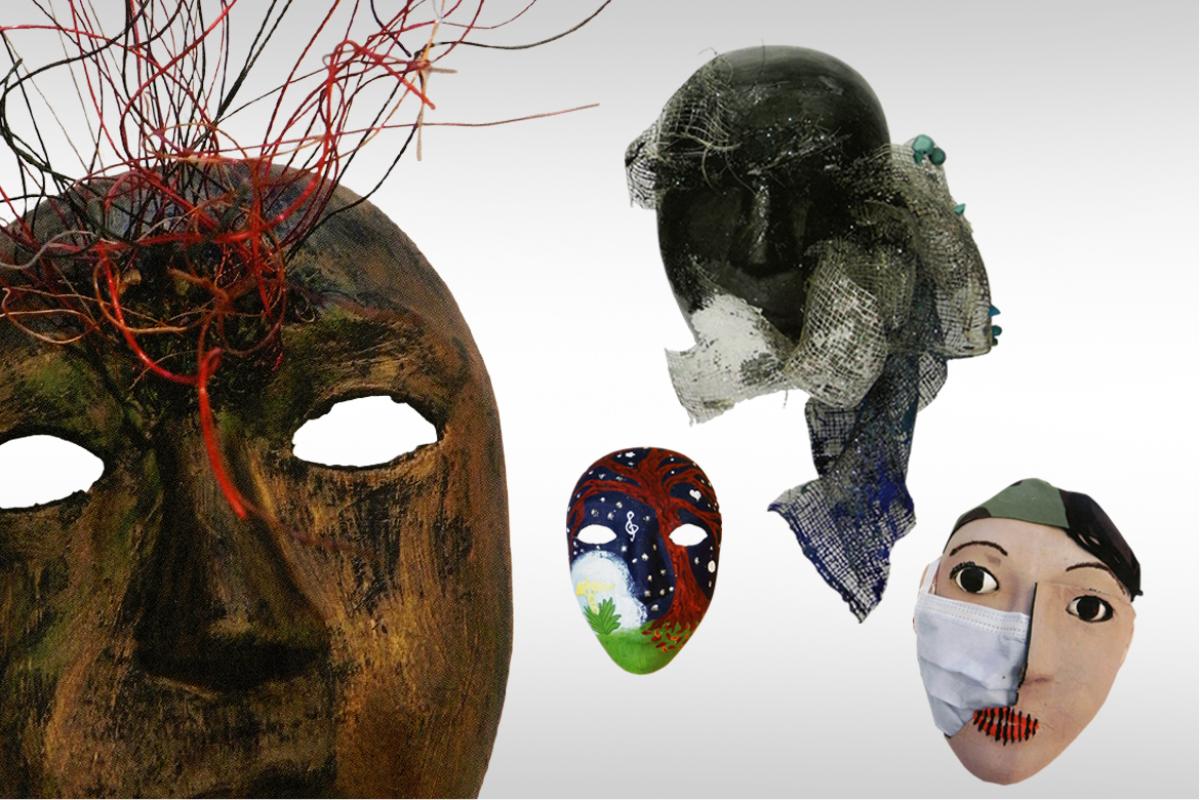
Making masks is part of the curriculum for students at one med school. Art therapy promotes self-exploration as a way to improve interaction with patients. It also reduces physician burnout.